

Introduction
Traditional construction techniques are gaining renewed attention due to their sustainability and eco-friendly nature. One such ancient building method is Wattle and Daub construction, which has been used for centuries across different cultures. Even today, it is valued for its low cost, thermal comfort, and environmental benefits.
This guide explains the meaning of wattle and daub, its features, construction method, advantages, and limitations.
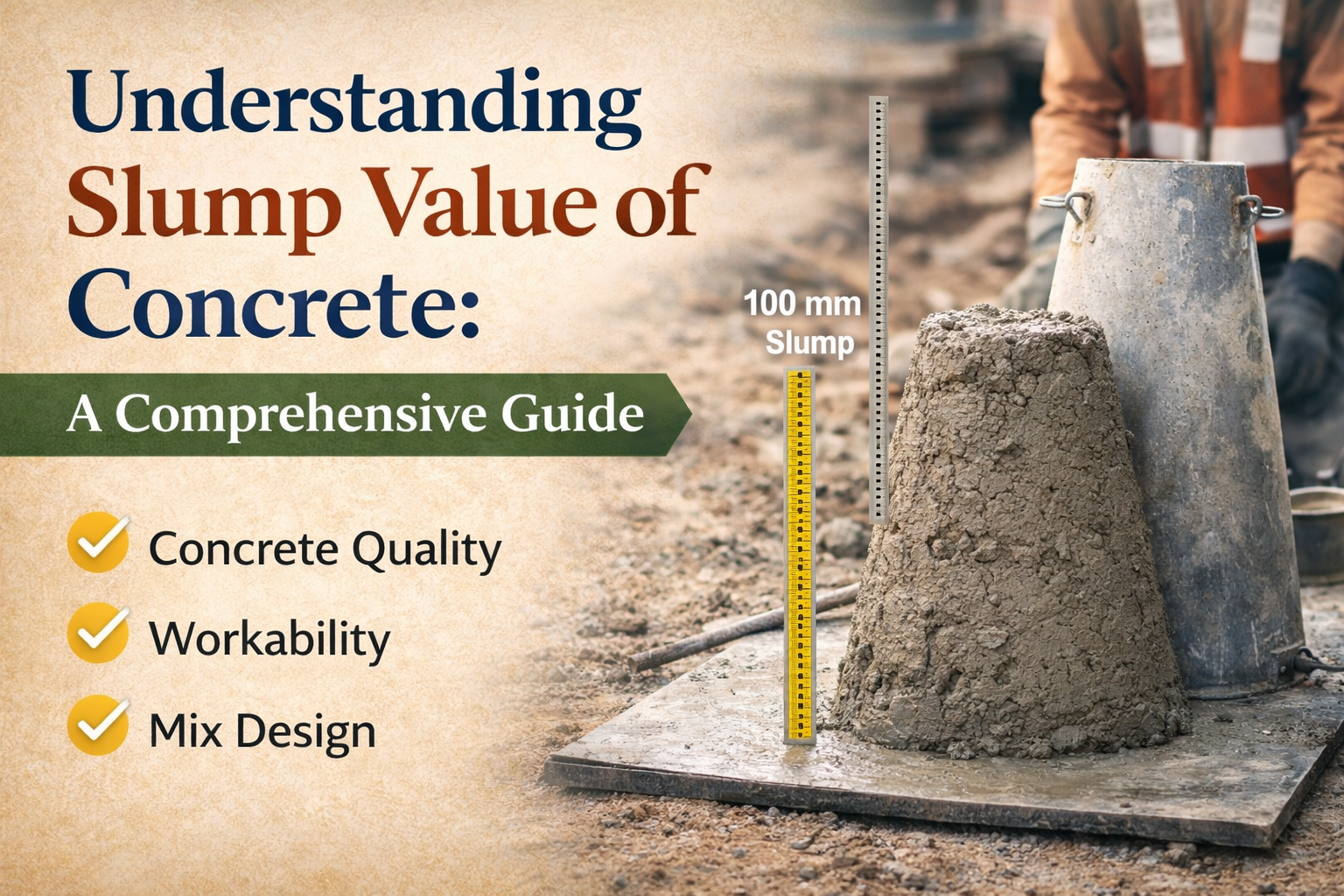
This comprehensive guide explains what slump value is, why it matters, types of slump, standard values, and common mistakes to avoid.
What Is Wattle and Daub? (Meaning)
Wattle and daub is a traditional construction technique in which a woven framework of wooden sticks (wattle) is coated with a mixture of mud, clay, sand, straw, and sometimes animal dung (daub).
-
Wattle: A lattice of wooden strips, bamboo, or reeds
-
Daub: A wet mixture applied over the wattle to form walls
This method has been widely used in rural housing and ancient architecture due to its simplicity and use of locally available materials.
History of Wattle and Daub Construction
Wattle and daub construction dates back thousands of years and was commonly used in:
-
Ancient Europe
-
Africa
-
Asia (including rural India)
Many traditional huts and vernacular houses were built using this technique before modern construction materials became common.
Key Features of Wattle and Daub Construction
Use of Natural Materials
-
Mud, clay, straw, bamboo, and wood
-
Environmentally friendly and biodegradable
Lightweight Structure
-
Reduced load on foundation
-
Suitable for low-rise buildings
Thermal Comfort
-
Keeps interiors cool in summer
-
Provides warmth in winter
Low Construction Cost
-
Uses locally available materials
-
Minimal skilled labor required
Wattle and Daub Construction Method
Step 1 – Preparation of Framework (Wattle)
-
Vertical wooden posts or bamboo are fixed
-
Horizontal sticks or reeds are woven between posts
-
Creates a strong mesh or lattice
Step 2 – Preparation of Daub Mixture
The daub mixture typically contains:
-
Clay or soil
-
Sand
-
Straw or dry grass
-
Water
-
Sometimes cow dung for strength and binding
Step 3 – Application of Daub
-
Wet daub is pressed onto both sides of the wattle
-
Applied in layers to fill gaps completely
-
Smoothed by hand
Step 4 – Drying and Finishing
-
Walls are left to dry naturally
-
Cracks (if any) are filled
-
Lime wash or mud plaster is applied for finishing
Advantages of Wattle and Daub Construction
Eco-Friendly and Sustainable
-
Minimal carbon footprint
-
Uses renewable and natural materials
Cost-Effective
-
Affordable housing solution
-
Ideal for rural and low-income housing
Good Thermal Insulation
-
Reduces need for artificial cooling and heating
Easy Maintenance
-
Simple repairs using mud plaster
-
No expensive materials required
Disadvantages of Wattle and Daub Construction
Low Durability
-
Not as strong as RCC or brick masonry
-
Requires frequent maintenance
Poor Resistance to Moisture
-
Vulnerable to heavy rain and damp conditions
-
Needs proper roof overhangs and plinth protection
Limited Load-Bearing Capacity
-
Suitable only for single-storey structures
Modern Use of Wattle and Daub
Today, wattle and daub is used in:
-
Eco-homes
-
Sustainable architecture projects
-
Restoration of heritage buildings
-
Experimental green construction
Modern techniques improve durability by adding stabilizers like lime or cement in small quantities.
Wattle and Daub vs Modern Construction
| Aspect | Wattle and Daub | Modern RCC |
|---|---|---|
| Cost | Very low | High |
| Sustainability | Excellent | Moderate |
| Strength | Low | Very high |
| Thermal Comfort | High | Medium |
| Lifespan | Short–Medium | Long |
Conclusion
Wattle and daub construction is a simple, eco-friendly, and cost-effective building technique rooted in traditional knowledge. While it may not replace modern construction for urban buildings, it plays a vital role in sustainable housing, rural development, and green architecture.
Understanding traditional methods like wattle and daub helps create environmentally responsible construction solutions for the future in construction.
Understanding and controlling slump value is essential for achieving high-quality, safe, and reliable structures.
Need Expert Construction Support?
Choose a professional construction team that follows quality control practices, including slump testing, mix design compliance, and proper supervision.
Contact us today for a free consultation or site evaluation
Tags: Construction


